A Name That Still Sparkles
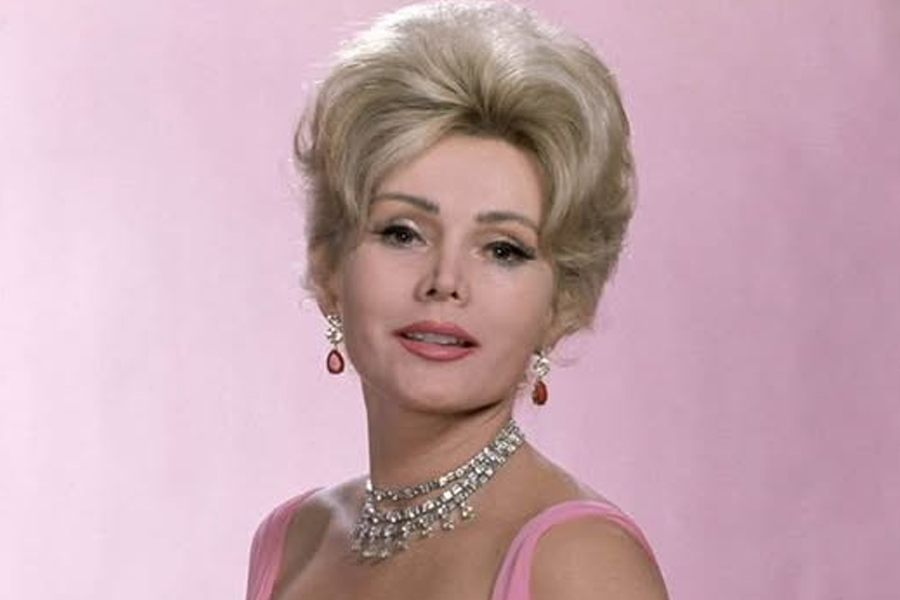
Zaza Gabor seemed to convert public life into theatrical. More than an actress or social personality, she was a glamor icon. Most know her as Zsa Zsa Gabor, yet many look for her as Zaza Gabor. Whatever the case, the impression is clear: jewels, humor, composure, and a voice that can make even a casual comment sound stage-worthy.
Sári Gábor was born in Budapest on February 6, 1917. Her family knew performance, presentation, and ambition before Hollywood discovered her. After nearly a century, she died in Los Angeles at 99 on December 18, 2016. She established a vibrant public presence in those 99 years, frequently overshadowing her job.
From Budapest to America
I think her first chapter shaped her personality, which would eventually shine. She was raised in Budapest among intelligent and social people. Beauty pageants and theater work offered her discipline and public polish.
She gained recognition in the 1930s. Early attentiveness important. It taught her how to be seen, how to stand in a room, and how to let personality do as much work as beauty. She came in the US in 1941 with a European grace that would become her signature.
America gave her a larger stage. She did not simply enter Hollywood. She floated into it like a chandelier being lowered into a dim room, changing the atmosphere at once.
Her Rise in Film and Television
Her film career began in the early 1950s. Lovely to Look At was her 1952 cinematic debut. Now the title seems prophetic. She became famous in 1953 with Lili after appearing in Moulin Rouge the year before. These movies made her famous in Hollywood amid a decade of strong personalities and meticulously constructed stars.
I find it most fascinating that her fame was not just based on leading parts or box office statistics. She mastered something strange. She gained famous for being herself. That influence grew with TV. She appeared on several chat, game, and scripted shows, including Gilligan’s Island, Bonanza, and Batman. The public’s beloved picture was enhanced with each presentation.
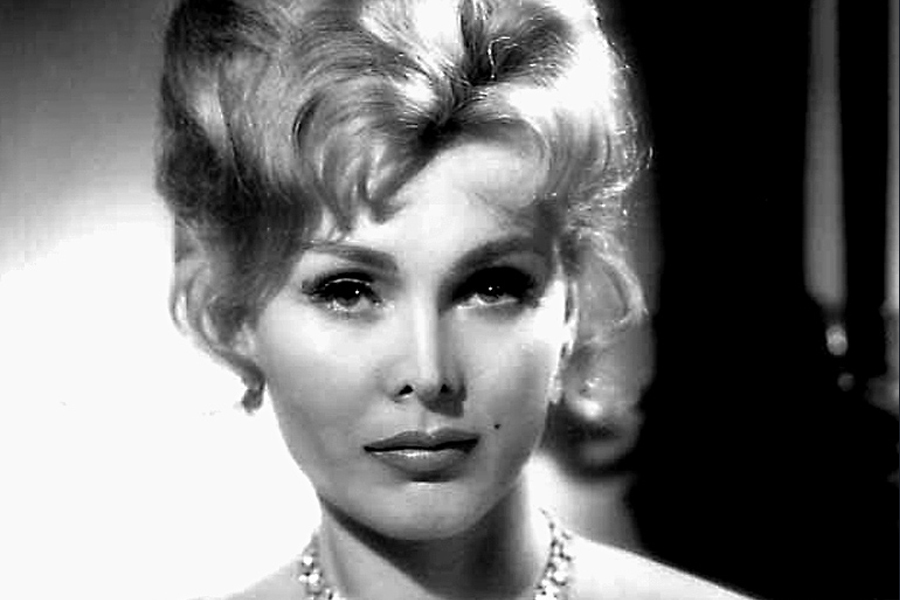
In 1960, she received a star on the Hollywood Walk of Fame in the Television category. That honor captured an essential truth about her place in popular culture. She understood the screen, but she also understood the public gaze. She knew how to turn visibility into currency.
The Gabor Family Behind the Legend
To understand Zaza Gabor, I have to look at the family around her. The Gabor name itself became a kind of brand, polished by style, ambition, and public fascination.
Soldier Vilmos Gabor was her father. Her mother, Jolie Gabor, shaped the family’s culture and identity. Jolie promoted refinement, social aspiration, and presentation in the Gabor image. Perhaps Zsa Zsa was born for display, but the family had set the stage.
She was not the only sister to become known to the public. The Gabor household produced three famous daughters, each different, each memorable.
| Family Member | Relationship | Known For |
|---|---|---|
| Vilmos Gabor | Father | Family patriarch, soldier |
| Jolie Gabor | Mother | Socially ambitious matriarch |
| Magda Gabor | Sister | Actress and socialite |
| Zsa Zsa Gabor | Middle sister | Actress, celebrity, television personality |
| Eva Gabor | Sister | Actress, later widely known for Green Acres |
| Francesca Hilton | Daughter | Zsa Zsa’s only child |
This family was not just notable. It was theatrical in the grand sense, as if private life and public image were always standing in the same mirror.
Her Sisters Magda and Eva
Magda Gabor, the elder sister, shared the family taste for society life and visibility. She was known as an actress and socialite, and she helped solidify the image of the Gabors as a trio of glamorous sisters whose personal style was part of their public power.
Eva Gabor, the younger sister, became famous in America through Green Acres. Eva had a softer TV charm than Zsa Zsa’s celebrity and striking glamour. Different hues of family polish showed on the sisters.
I find it striking that the Gabor sisters became, in effect, their own constellation. Each star had a separate glow, but together they formed a pattern the public never forgot.
Zaza Gabor’s Marriages and Public Persona
Her marriages were often the center of attention. She had nine marriages, which shaped her legend. Burhan Belge, Conrad Hilton, George Sanders, Herbert L. Hutner, Joshua S. Cosden Jr., Jack Ryan, Michael O’Hara, Felipe de Alba, and Frédéric Prinz von Anhalt are husbands.
Her number became a talking point. But limiting her tale to that statistic misses the point. She knew 20th-century stardom thrived on repetition, romance, scandal, and spectacle. Her public narrative included marriage, divorce, reinvention, and fame.
One of her most notable marriages was to Conrad Hilton, founder of Hilton Hotels, in 1942. It produced her sole kid and connected her to a famous American family. Her 1986 marriage to Frédéric Prinz von Anhalt ended her personal life but kept her in the public eye for decades.
In her case, personal life was not merely private history. It was part of the architecture of fame.
Her Daughter Francesca Hilton
Zaza Gabor had one confirmed child, Constance Francesca Hilton, usually known as Francesca Hilton. Born in 1947 during her marriage to Conrad Hilton, Francesca occupied a distinctive place within the Gabor story. She was Zsa Zsa’s only child and the only child among the famous Gabor sisters.
That fact matters because it sharpens the family picture. While many names became associated with the wider orbit of later relationships and adult adoptions connected to her last husband, Francesca remains the only confirmed daughter of Zsa Zsa herself.
Francesca died in 2015, one year before her mother. Her death marked a sad late chapter in a family story so often framed through glitter and public performance.
Why She Became More Than an Actress
Many performers work steadily and are remembered mainly for titles and credits. Zaza Gabor belonged to a rarer category. She became a cultural type. She was one of the clearest examples of the modern celebrity as self-created myth.
Her wit was vital. Accent, styling, timing, and capacity to convert appearances into events were too. In the 1950s and 1960s, she helped define a new kind of stardom based on artistic output and personality as performance. She proved that the camera might love a person for their existence, not only their function.
That is why she remained newsworthy for decades. Even legal troubles, health struggles, and late-life headlines did not erase the central image. If anything, they intensified the sense that her life was being lived on an unusually public scale.
Later Years, Illness, and Enduring Public Fascination
She remained visible and ill in her senior years. She had a vehicle crash, strokes, a hip fracture, and an amputation between 2002 and 2011. These occurrences showed the delicate reality behind the sparkling public character.
However, her appeal persisted. She represented old Hollywood elegance, expensive stardom, and fame as a social act. Even her Palm Springs mansion made headlines in 2024, indicating how much her image was related to areas, products, and design.
That lasting attention says something important. Some stars fade when the work is no longer current. Zaza Gabor endured because she made herself into a symbol. Symbols do not retire.
Quick Timeline of Her Life
| Year | Event |
|---|---|
| 1917 | Born Sári Gábor in Budapest on February 6 |
| 1930s | Gains notice through pageant activity and stage work |
| 1941 | Moves to the United States |
| 1942 | Marries Conrad Hilton |
| 1947 | Birth of daughter Francesca Hilton |
| 1952 | Film debut in Lovely to Look At and appearance in Moulin Rouge |
| 1953 | Appears in Lili |
| 1960 | Receives Hollywood Walk of Fame star for Television |
| 1986 | Marries Frédéric Prinz von Anhalt |
| 2015 | Daughter Francesca Hilton dies |
| 2016 | Dies in Los Angeles on December 18 at age 99 |
FAQ
Who was Zaza Gabor?
Zaza Gabor, more commonly spelled Zsa Zsa Gabor, was a Hungarian-born actress, socialite, and television personality. Born in 1917 in Budapest, she became one of Hollywood’s most recognizable glamorous figures and remained famous for both her screen work and her high-profile personal life.
What was Zaza Gabor’s real name?
Her birth name was Sári Gábor. She was born on February 6, 1917, and later became internationally known as Zsa Zsa Gabor.
Who were Zaza Gabor’s parents?
Her parents were Vilmos Gabor and Jolie Gabor. Vilmos was known as her father and family patriarch, while Jolie played a major role in shaping the social ambition and polished image of the Gabor family.
Did Zaza Gabor have siblings?
Yes. She had two sisters, Magda Gabor and Eva Gabor. Both were public figures, and Eva became especially famous in the United States through her acting career, including her role in Green Acres.
How many times was Zaza Gabor married?
She was married nine times. Her husbands included Conrad Hilton, George Sanders, and her final husband, Frédéric Prinz von Anhalt. Her marriages became a major part of her celebrity identity.
Did Zaza Gabor have children?
Yes. She had one confirmed child, Constance Francesca Hilton, usually called Francesca Hilton. Francesca was born in 1947 during Zsa Zsa’s marriage to Conrad Hilton.
What movies is Zaza Gabor best known for?
Her early film career is especially tied to Lovely to Look At from 1952, Moulin Rouge from 1952, and Lili from 1953. She also became widely known through television appearances across later decades.
Why is Zaza Gabor still remembered today?
I think she is still remembered because she represented more than a film career. She embodied glamour, reinvention, wit, and the art of public self-creation. Her life shimmered at the border between Hollywood performance and personal mythology, and that shimmer has lasted.