Felicia Rashad and the Power of Presence
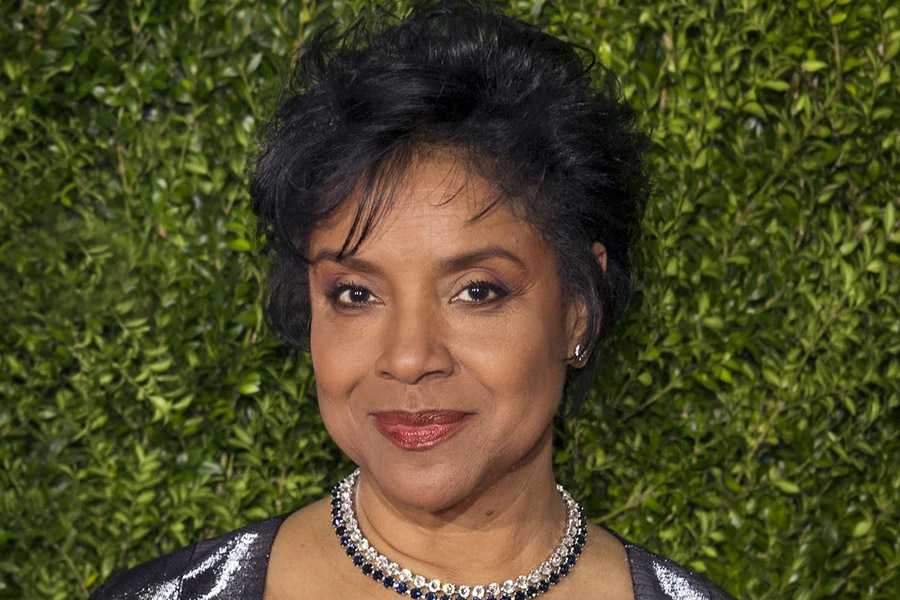
I think of Felicia Rashad as poise translated into art. For decades, Phylicia Rashad has exuded calm authority that can fill a theater, control a TV, and mold a classroom. Her discipline, brilliance, and inner purpose made her one of the most recognized American performers of her generation. She was born Phylicia Ayers-Allen in Houston, Texas, on June 19, 1948.
Her reputation has always surpassed celebrity. She embodies elegance without stiffness, quality without noise, and longevity without self-reinvention. Her 1984–1992 Cosby Show role as Clair Huxtable was a cultural landmark for many fans. Clair was brilliant, kind, professional, and unapologetic. Felicia Rashad helped American television depict Black family life in that role. Her role went beyond mother and attorney. The character became a symbol.
Yet that role was only one chapter. Her life in the arts stretches across more than 50 years, moving through stage, television, film, directing, and education. Like a river that keeps finding new paths, her career has stayed active and relevant across generations.
Early Life and Education
I see her career origins in her upbringing. Felicia Rashad’s family valued intelligence and creativity. They were daily words. Her mother, Vivian Ayers Allen, was a poet, writer, artist, and scholar whose creativity filled up the family. Orthodontist Andrew Arthur Allen Sr. gave her structure and stability.
This blend of artistry and discipline mattered. It gave Felicia Rashad both wings and ground.
In her youth, her family visited Mexico. That encounter broadened her vision by introducing her to another culture and developing bilingualism. Cultural fluency was a gift for a future actress, director, and educator. It certainly enhanced her language, rhythm, and human subtlety awareness.
Howard University awarded her a Bachelor of Fine Arts in 1970. Howard was more than a resume school. Several prominent institutions shaped her creative character. Her tenure as Dean of the College of Fine Arts, which she held until 2024, completed her university connection. Her legacy has another aspect in that story. She also maintained artistic standards. She was building the next generation.
A Career Built Across Stage and Screen
Before becoming famous on TV, Felicia Rashad developed herself on stage. That matters because theater typically displays an actor’s bones. It requires voice, timing, authority, and emotional honesty without hiding. At the Negro Ensemble Company, she performed in The Wiz and Dreamgirls on Broadway. Initial years were forging.
Her TV career before her breakthrough included One Life to Live. Her television legacy was cemented by The Cosby Show in 1984. She played Clair Huxtable with intelligence, tenderness, restraint, and wit for eight seasons, making her memorable.
After that landmark run ended in 1992, Felicia Rashad did not drift into nostalgia. She kept building. She appeared in Cosby from 1996 to 2000, took on film roles, returned repeatedly to the stage, and expanded into directing. Her artistry did not freeze in one era. It kept moving.
She was the first African American woman to win the Tony Award for Best Actress in a Play for A Raisin in the Sun in 2004. Though momentous, the moment felt inevitable. She worked for years. The prize brought attention to the material.
Later, she appeared in films and TV while establishing herself as a director and mentor. Immediate Family and Purpose showcased her talent onstage and off. Her 2025 Tony for Best Play, Purpose, added to her distinguished career.
The Family That Framed Her World
To understand Felicia Rashad, I think it helps to look closely at the family around her. This is not a story of isolated stardom. It is a story of a household that seems to have produced talent the way a garden produces bloom after bloom.
That plot revolves around her mother, Vivian Ayers Allen. A Pulitzer Prize-nominated poet and multifaceted creative force, Vivian infused family life with literature and art. A mother who valued language, vision, and education may have fostered Felicia Rashad’s dignity and thoughtfulness.
Her father, Andrew Arthur Allen Sr., offered another form of strength. As an orthodontist, he represented professionalism, order, and a stable foundation. In many remarkable families, one parent supplies ignition while the other provides architecture. Here, both seem to have mattered.
Debbie Allen and a Sisterly Bond in the Spotlight
Debbie Allen is Felicia Rashad’s most famous sibling. Award-winning actress, dancer, choreographer, director, and producer Debbie Allen is known for Fame and Grey’s Anatomy. The sisters’ bond is one of entertainment’s most admired.
I observe their light-filled relationship. Nobody dims for the other. Their reflections strengthen each other. They have worked together, appeared together, and publicly praised each other. Their partnership has family warmth and creative rigor.
That bond matters because fame can fracture families. In this case, it appears to have deepened loyalty instead. The two sisters stand as twin pillars of Black artistic achievement, each distinct, yet clearly born of the same strong cultural and familial foundation.
Her Brothers and the Wider Family Circle
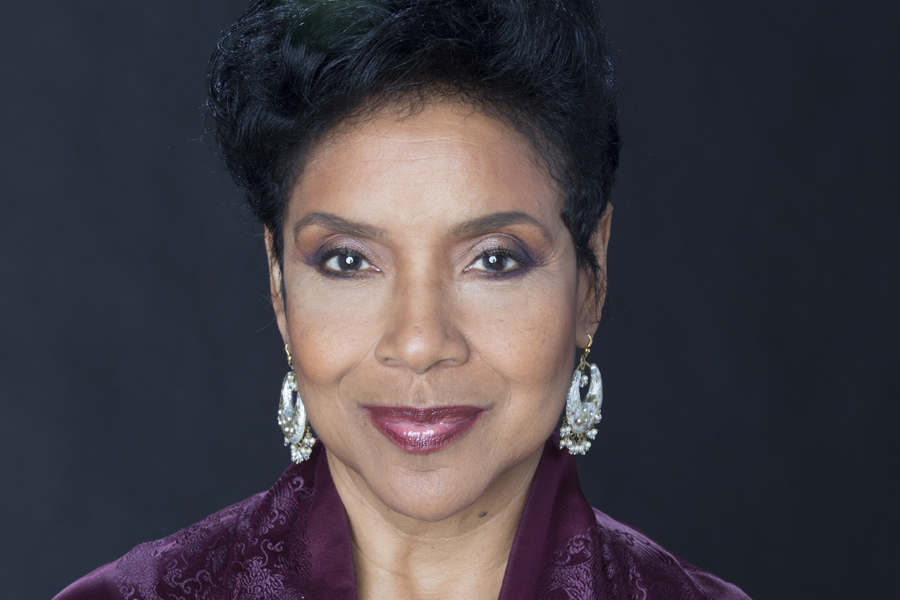
Felicia Rashad’s brothers enrich the family image. Andrew Arthur “Tex” Allen Jr. played jazz, while Hugh Allen worked in real estate and finance. Their journeys demonstrate the family’s diverse abilities and goals. Not everyone selected the stage, but quality runs in the family.
This wider family circle helps explain why Felicia Rashad never seems defined by fame alone. Her identity appears anchored in something older and steadier than applause. Family, education, craft, and cultural pride form the frame.
Marriages, Motherhood, and Personal Life
Felicia Rashad’s personal life includes three marriages, each marking a different chapter.
Her first marriage was 1972–1975 to dentist William Lancelot Bowles Jr. Her son, William Lancelot Bowles III, has kept a low profile since that marriage. The privacy itself is significant. Not all renowned family branches become famous.
Her second marriage was to Victor Willis, a founding member of the Village People, from 1978 to 1982. That relationship linked her, briefly, to another corner of entertainment history during a vivid cultural era.
Her third husband was former NFL player and sportscaster Ahmad Rashad, born Bobby Moore. They were married 1985–2001. His live Thanksgiving football broadcast proposal made their romance famous. The marriage lasted 16 years, despite the headline-grabbing occasion.
Together they had one daughter, Condola Phylea Rashad, born in 1986.
Condola Rashad and the Next Generation
Condola Rashad is a successful Broadway, television, and film actress. Her performances in A Doll’s House and Saint Joan were lauded. Not only Felicia Rashad’s daughter. A remarkable talent with her own artistic spine.
Still, the connection between mother and daughter is striking. In Condola, the family legacy continues like a song passed from one voice to another. The name changes pitch, but not strength.
Felicia Rashad’s role as a mother is often discussed with warmth, especially in relation to Condola. Their relationship reflects the same values that seem to run throughout the family story: discipline, education, grace, and artistic seriousness.
Leadership, Honors, and Enduring Influence
Felicia Rashad’s impact goes beyond performance. Her tenure as Howard University College of Fine Arts Dean demonstrated her dedication to Black arts education and institutional leadership. She was more than a symbol. She connected tradition and possibility.
Her awards are extensive. She won a trailblazing Tony Award in 2004, received Emmy nominations, NAACP Image Awards, and praise for her directing and teaching. Later in her career, she appeared in The Beekeeper in 2024 and directed notable films.
She retired as dean in 2024, but not from public life or culture. Her direction continued to be lauded in 2025. She continued to be honored at public gatherings and invited to speak at commencement ceremonies by 2026. Such continuity speaks its own tale. Some careers thrive. Hers glows.
A Snapshot Timeline
| Year | Milestone |
|---|---|
| 1948 | Born in Houston, Texas on June 19 |
| 1970 | Graduates from Howard University, magna cum laude |
| 1972 | Marries William Lancelot Bowles Jr. |
| 1975 | First marriage ends |
| 1978 | Marries Victor Willis |
| 1982 | Second marriage ends |
| 1984 | Begins The Cosby Show as Clair Huxtable |
| 1985 | Marries Ahmad Rashad |
| 1986 | Daughter Condola Rashad is born |
| 1992 | The Cosby Show ends |
| 2001 | Marriage to Ahmad Rashad ends |
| 2004 | Wins Tony Award for A Raisin in the Sun |
| 2024 | Steps down as Howard dean and appears in The Beekeeper |
| 2025 | Directing work on Purpose gains major acclaim |
| 2026 | Continues honors, tributes, and public speaking |
FAQ
Who is Felicia Rashad?
Felicia Rashad, professionally best known as Phylicia Rashad, is an American actress, singer, director, and educator born on June 19, 1948, in Houston, Texas. She is widely celebrated for playing Clair Huxtable on The Cosby Show and for her award-winning work in theater, film, and television.
What is Felicia Rashad most famous for?
She is most famous for portraying Clair Huxtable on The Cosby Show from 1984 to 1992. The role made her a defining image of intelligence, elegance, and strength in American television history.
How is Debbie Allen related to Felicia Rashad?
Debbie Allen is Felicia Rashad’s sister. The two are part of a highly accomplished family and have long shared a close personal and professional bond.
Who are Felicia Rashad’s parents?
Her mother was Vivian Ayers Allen, a poet, playwright, artist, and scholar. Her father was Andrew Arthur Allen Sr., an orthodontist.
Who are Felicia Rashad’s children?
She has two children: William Lancelot Bowles III and Condola Phylea Rashad. Condola Rashad is a well-known actress with a strong Broadway and screen career.
How many times was Felicia Rashad married?
She was married three times: to William Lancelot Bowles Jr. from 1972 to 1975, to Victor Willis from 1978 to 1982, and to Ahmad Rashad from 1985 to 2001.
What major award did Felicia Rashad win in 2004?
In 2004, she won the Tony Award for Best Actress in a Play for A Raisin in the Sun, becoming the first African American woman to win in that category.
What role did Howard University play in her life?
She graduated from Howard University in 1970 with a Bachelor of Fine Arts, magna cum laude. She later returned to serve as Dean of the College of Fine Arts, remaining in that role until 2024.
Is Felicia Rashad still active in the arts?
Yes. She has continued acting, directing, mentoring, and appearing at public events well into the 2020s. Her recent work includes directing major productions and appearing in film projects such as The Beekeeper in 2024.